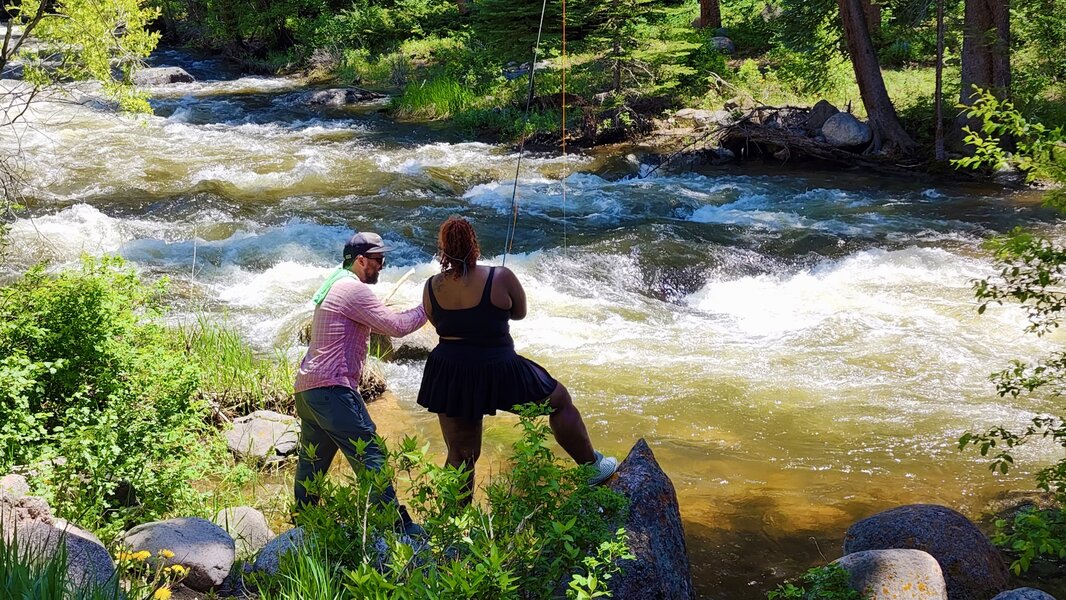
In recent years, the conversation around outdoor recreation has shifted towards inclusivity and equitable access. Historically, public outdoor spaces such as parks, trails, and natural reserves have often been less accessible to marginalized communities due to socioeconomic, racial, and geographical barriers.
Advocates argue that the outdoors should be a universal domain, a place where everyone can enjoy nature regardless of their background. However, systemic inequalities have resulted in certain groups being underrepresented in outdoor activities, leading to calls for policy reforms and community-driven initiatives to bridge this gap.
One of the main issues is the lack of infrastructure in underserved areas. Many low-income neighborhoods are situated far from parks or natural reserves, making it difficult for residents to access these spaces regularly. Additionally, the cost of outdoor gear and organized activities can be prohibitive for some families, further limiting participation.
Efforts are underway across various regions to address these disparities. Governments and organizations are investing in developing new parks in underserved communities, improving transportation options, and offering free or low-cost outdoor programs. For example, some cities have launched initiatives to convert vacant lots into community parks or to create urban green spaces that are easily accessible.
Moreover, there is a growing recognition of the importance of cultural inclusivity in outdoor recreation. This includes incorporating diverse cultural perspectives into park design, programming, and outreach efforts to ensure that all community members feel welcome and represented.
Community-led projects also play a vital role. Local groups are organizing outdoor activities, educational programs, and conservation efforts that engage residents and foster a sense of ownership and pride in their natural spaces. These initiatives help break down barriers and promote a more inclusive outdoor culture.
Despite these positive developments, challenges remain. Funding constraints, political opposition, and ongoing social inequalities can hinder progress. It is essential for policymakers, community leaders, and outdoor enthusiasts to collaborate in creating sustainable solutions that prioritize equitable access.
Ultimately, making the outdoors accessible to everyone is not just about recreation; it is about social justice, health, and community resilience. By working together to remove barriers, society can ensure that the natural world is a shared resource that benefits all its members.